How did I reduce safety incidents by 60% in a $14B overseas project?
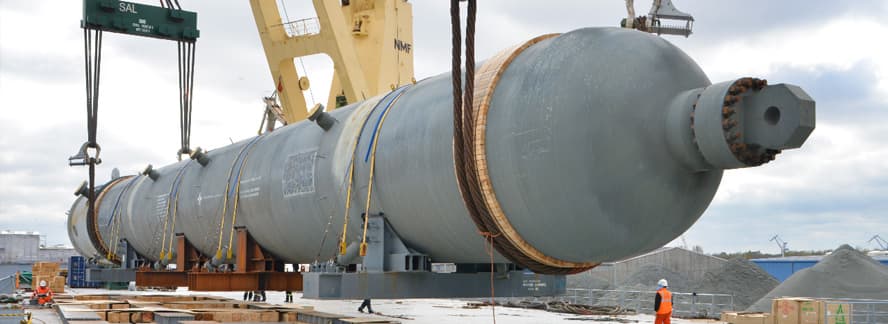
In 2008, I was assigned to a massive LNG plant expansion in Qatar. Picture this: A $14B project with over 30,000 workers from around the globe and 550+ cranes of all types operating 24/7.
One of my roles? Heavy Lift Coordinator. The challenge? Lifting wasn't even my area of expertise!
To make matters worse:
⤵️ Lifting near misses and incidents were a top safety issue.
⤵️ Contractors followed different procedures, spoke different languages, and worked with both American and European standards.
🤷 It was chaos. And I was tasked with fixing it.
Here's how I tackled it:
1️⃣ Step 1: Establish a baseline: I collected KPIs to understand the reality on the ground. Without data, you're just guessing.
2️⃣ Step 2: Set clear goals: I defined objectives across four critical areas:
- Procedures and standards.
- Equipment maintenance and certification.
- Training for operators and riggers.
- Documentation.
3️⃣ Step 3: A 360-degree audit: A specialized team audited 10% of the cranes by:
- Maintenance records.
- Operator and rigger interviews.
- Observation of lifting activities (outside at almost 50 Deg!)
4️⃣ Step 4: Form a unified committee: We created a committee with representatives from all contractors and the project management team. Weekly meetings were held to set actions and track progress.
5️⃣ Step 5: Prioritize with an action tracker: Every action was ranked by complexity, impact, and risk level. This ensured we focused on what mattered most.
6️⃣ Step 6: Report progress and recognize effort: Senior management was regularly updated, and team members were celebrated for their contributions. Recognition builds momentum.
The Results:
☑️ Standardized lifting procedures and communication across all contractors.
☑️ Updated certifications for cranes and accessories.
☑️ A 60% reduction in lifting incidents. Lifting stopped being a concern altogether!
🏆 Most importantly, we reduced the risk of injuries or fatalities, potentially saving lives.
Key Takeaways:
➡️ Organize your approach: A structured, step-by-step plan is critical.
➡️ Bring in experts: Don't hesitate to rely on specialists for areas outside your expertise.
➡️ Inclusion: Involve everyone with accountability and communicate clear goals.
➡️ Collaborate: Encourage brainstorming and idea sharing.
➡️ Track and adapt: Regularly measure progress and adjust as needed.
➡️ Celebrate milestones: Recognize the contributions that drive success.
This experience taught me that leadership it's about creating the right environment for success even if it is not your area of expertise.
Not all stories end this well, though. Stay tuned for next week's post, where I'll share a challenging situation and the lessons I learned from it.